

Introduction
In healthcare research, the importance of sampling cannot be overstated. Whether you are evaluating the efficacy of a new treatment, understanding patient demographics, or conducting a public health survey, the way you select your sample can significantly impact the validity and reliability of your findings. Sampling is a critical step that ensures your research accurately represents the population you are studying, allowing you to draw meaningful conclusions and make informed decisions. In this comprehensive guide, we will delve into the intricacies of sampling in healthcare research. We will explore the various sampling methods, discuss their advantages and limitations, and provide practical tips for selecting the appropriate sampling strategy for your study.
1. Understanding Sampling in Healthcare Research
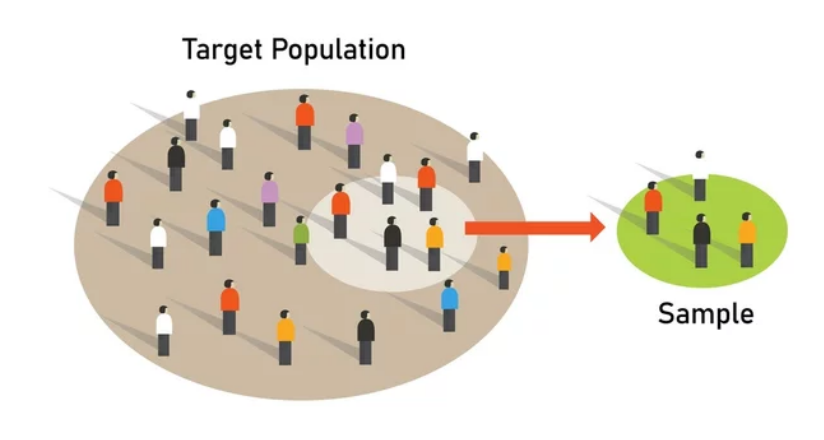
Sampling is the process of selecting a subset of individuals from a larger population to represent the whole. In healthcare research, this involves choosing a group of participants who accurately reflect the characteristics of the target population. This step is essential because it is often impractical, if not impossible, to study an entire population due to constraints such as time, cost, and accessibility.
1.1. Why Sampling Matters
The quality of your sample directly affects the accuracy of your research outcomes. A well-chosen sample can provide reliable and generalizable results, whereas a poorly chosen sample can lead to biased or invalid conclusions. Proper sampling ensures that your study results are representative of the broader population, enhancing the credibility and impact of your research.
2. Types of Sampling Methods
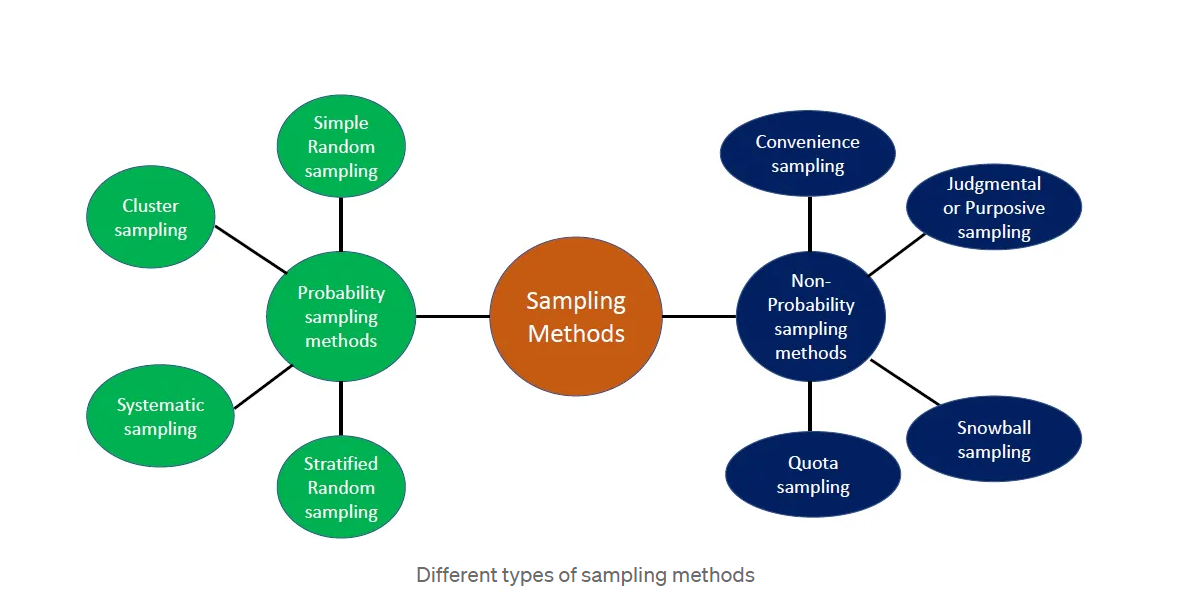
There are several sampling methods available, each with its strengths and weaknesses. The choice of sampling method depends on the research objectives, the nature of the population, and the resources available. Sampling methods can broadly be categorized into probability and non-probability sampling.
2.1. Probability Sampling
Probability sampling methods involve random selection, ensuring that each member of the population has an equal chance of being included in the sample. This randomness reduces bias and allows for the generalization of results.
2.1.1. Simple Random Sampling
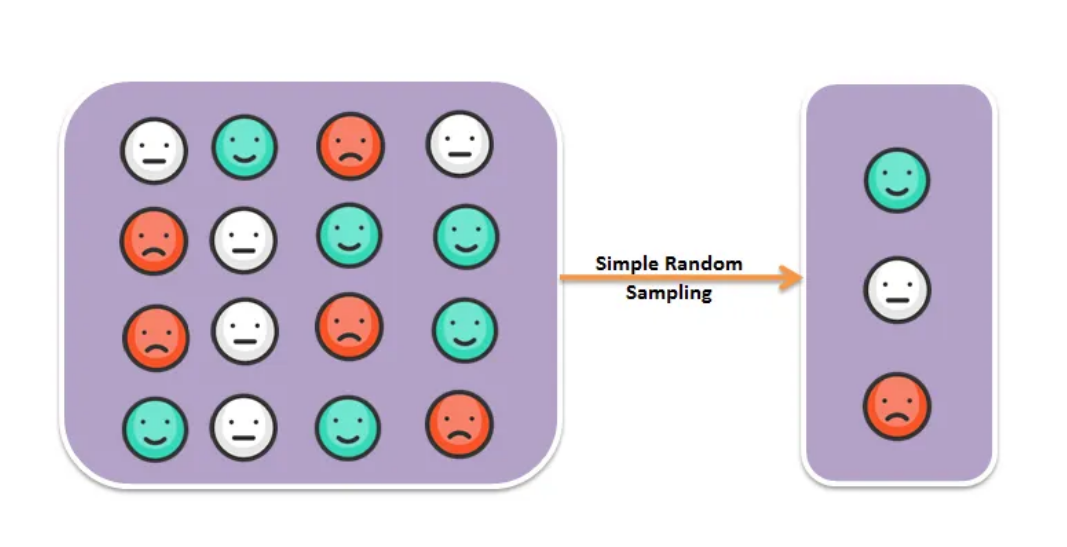
Simple random sampling is the most straightforward probability sampling method. Each member of the population is assigned a unique number, and a random selection process, such as a random number generator, is used to choose participants. This method is highly effective when the population is homogenous.
2.1.2. Stratified Sampling
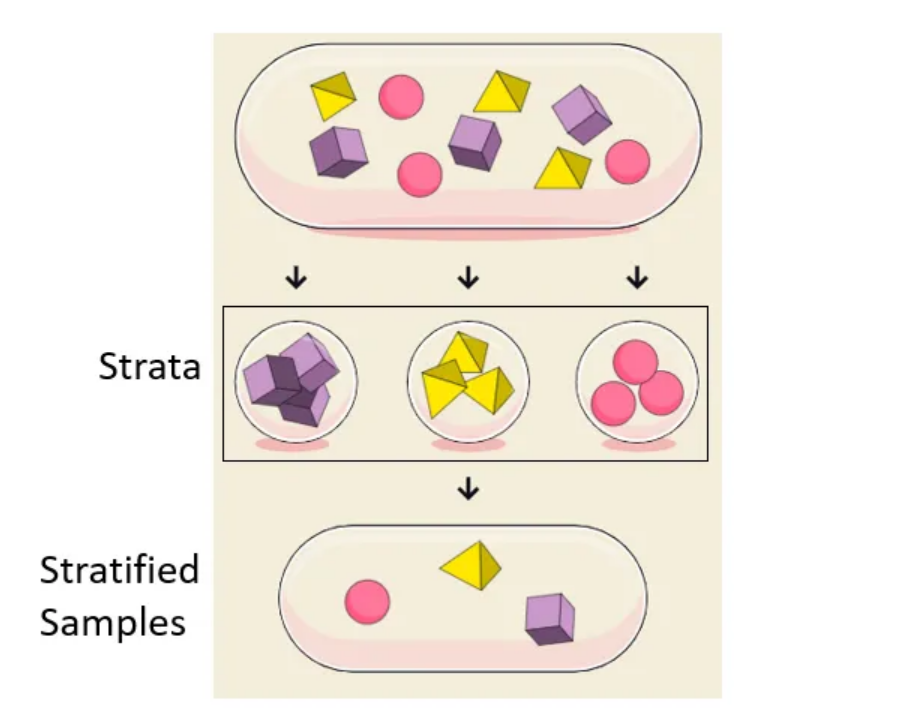
Stratified sampling involves dividing the population into subgroups (strata) based on specific characteristics (e.g., age, gender, or disease status). A random sample is then taken from each stratum. This method ensures representation from all subgroups, enhancing the accuracy of the results, especially in heterogeneous populations.
2.1.3. Cluster Sampling
In cluster sampling, the population is divided into clusters, usually based on geographical regions or institutions. A random sample of clusters is selected, and then all individuals within the chosen clusters are included in the study. This method is cost-effective and practical for large, dispersed populations.
2.1.4. Systematic Sampling
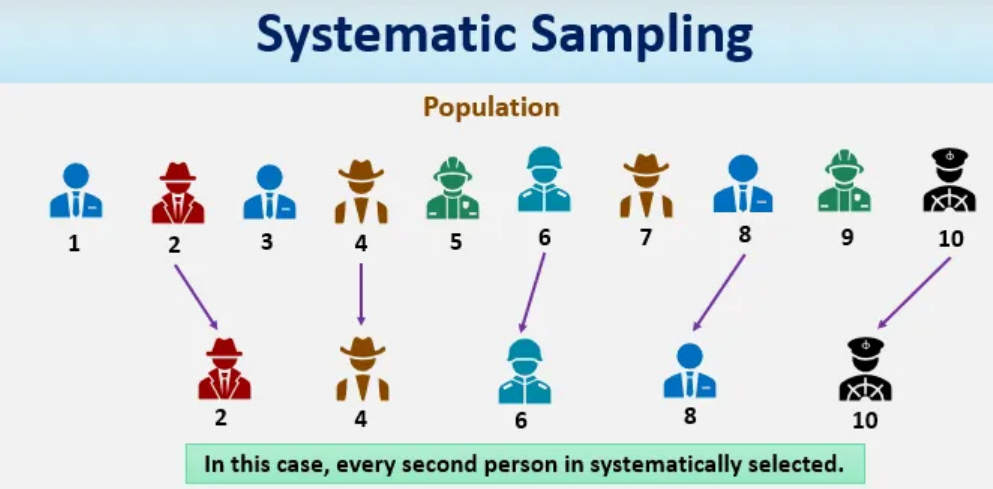
Systematic sampling involves selecting every nth individual from a list of the population. The starting point is chosen randomly, and the selection follows a fixed interval. This method is simpler than simple random sampling and is useful when a complete list of the population is available.
2.2. Non-Probability Sampling
Non-probability sampling methods do not involve random selection, and thus, each member of the population does not have an equal chance of being included. These methods are often used in exploratory research where the focus is on gaining insights rather than generalizing results.
2.2.1. Convenience Sampling
Convenience sampling involves selecting participants who are readily available and willing to take part in the study. This method is easy and cost-effective but can lead to significant biases as it does not represent the entire population.
2.2.2. Judgmental (Purposive) Sampling
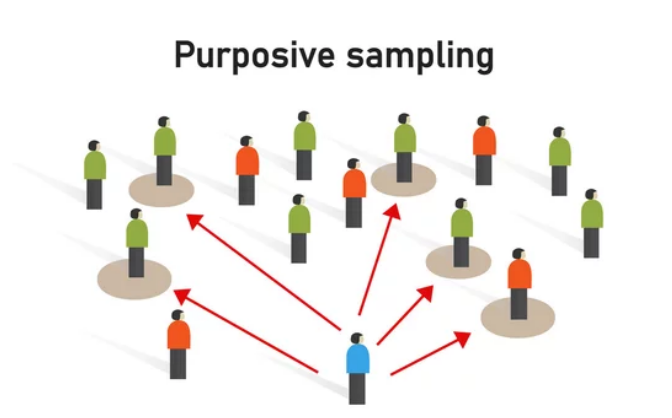
In judgmental sampling, the researcher uses their expertise to select participants who are most likely to provide valuable insights. This method is useful for qualitative research where specific information is sought from particular individuals.
2.2.3. Snowball Sampling
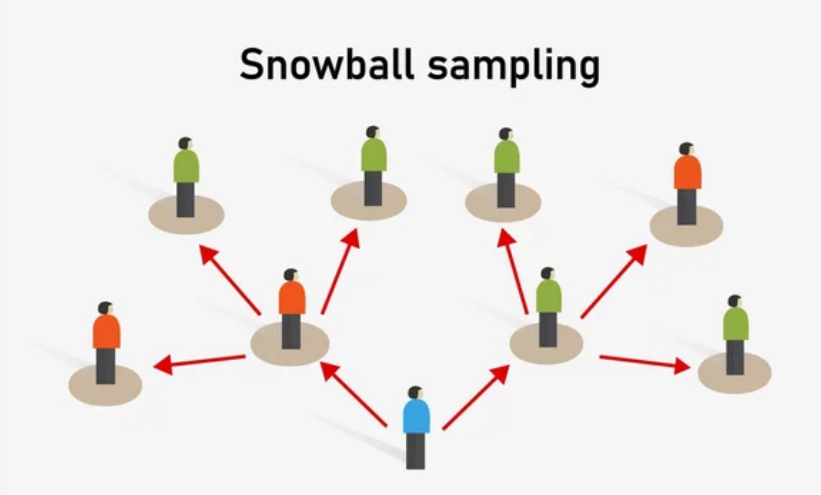
Snowball sampling is used when the population is hard to reach or identify, such as individuals with rare diseases. Participants are initially selected through convenience or judgmental sampling and are then asked to refer others who meet the study criteria. This method helps in accessing difficult-to-reach populations but can introduce bias.
2.2.4. Quota Sampling
Quota sampling involves dividing the population into subgroups and then selecting a specific number of participants from each subgroup to meet a predefined quota. This method ensures representation from different subgroups but is not random and can be biased.

3. Selecting the Right Sampling Method
Choosing the appropriate sampling method depends on various factors, including the research objectives, population characteristics, and available resources.
3.1. Define Your Research Objectives
Start by clearly defining your research objectives. What are you trying to achieve with your study? Are you aiming to generalize findings to a larger population, or are you focusing on understanding specific behaviors or characteristics? Your objectives will guide your choice of sampling method.

3.2. Understand Your Population
Understanding the characteristics of your target population is crucial. Consider factors such as size, diversity, accessibility, and the distribution of key characteristics. For instance, if your population is diverse, stratified sampling might be more appropriate to ensure representation from all subgroups.

3.3. Consider Practical Constraints
Practical constraints such as time, budget, and available resources play a significant role in determining the sampling method. For example, while simple random sampling might be ideal, it may not be feasible for large populations due to time and cost considerations. In such cases, methods like cluster sampling can be more practical.
3.4. Evaluate Sampling Bias
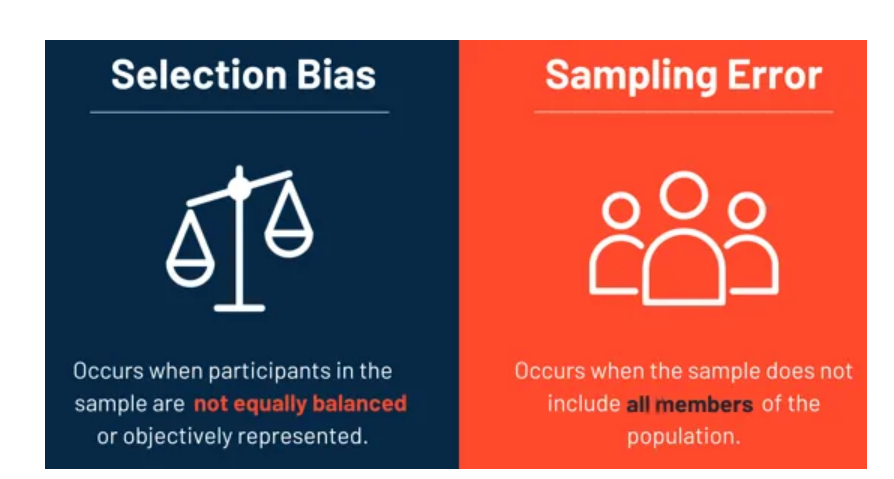
Assess the potential for sampling bias in each method. Probability sampling methods generally reduce bias but might not always be feasible. If using non-probability sampling methods, be aware of the limitations and take steps to mitigate bias where possible.

4. Steps to Implementing Your Sampling Plan
4.1. Develop a Sampling Frame
A sampling frame is a list of all the members of the population from which the sample will be drawn. Ensure that your sampling frame is up-to-date and comprehensive. An incomplete sampling frame can introduce bias by excluding certain segments of the population.
4.2. Choose Your Sampling Method
Based on your research objectives, population characteristics, and practical constraints, choose the most appropriate sampling method. Document your rationale for choosing this method and any potential limitations.
4.3. Determine Sample Size
Calculate the sample size needed to achieve reliable and valid results. Consider factors such as the desired confidence level, margin of error, and the variability within the population. Tools like sample size calculators can be helpful in this process.
4.4. Execute the Sampling Plan
Carry out your sampling plan as per the chosen method. Ensure that the selection process is rigorous and unbiased. For probability sampling methods, use random number generators or similar tools to maintain randomness.
4.5. Monitor and Adjust
Continuously monitor the sampling process to ensure it is being implemented correctly. Be prepared to make adjustments if any issues arise, such as non-response or attrition, which can affect the representativeness of your sample.
5. Common Challenges in Healthcare Sampling

5.1. Non-Response Bias
Non-response bias occurs when certain individuals do not participate in the study, potentially skewing the results. To mitigate this, follow up with non-respondents and consider using weighting adjustments to account for differences between respondents and non-respondents.
5.2. Accessing Hard-to-Reach Populations
Some populations, such as those with rare diseases or marginalized groups, can be difficult to access. Snowball sampling can be useful in these cases, but be aware of its limitations. Building trust within communities and collaborating with local organizations can also improve access.
5.3. Ethical Considerations
Ensure that your sampling methods adhere to ethical standards. Obtain informed consent from participants, protect their confidentiality, and ensure that the benefits of the research outweigh any potential risks.
5.4. Maintaining Representativeness
Maintaining the representativeness of your sample throughout the study is crucial. Monitor the demographic characteristics of your sample and make adjustments if certain groups are underrepresented.
6. Case Studies in Healthcare Sampling
6.1. Case Study 1: Randomized Controlled Trial (RCT)
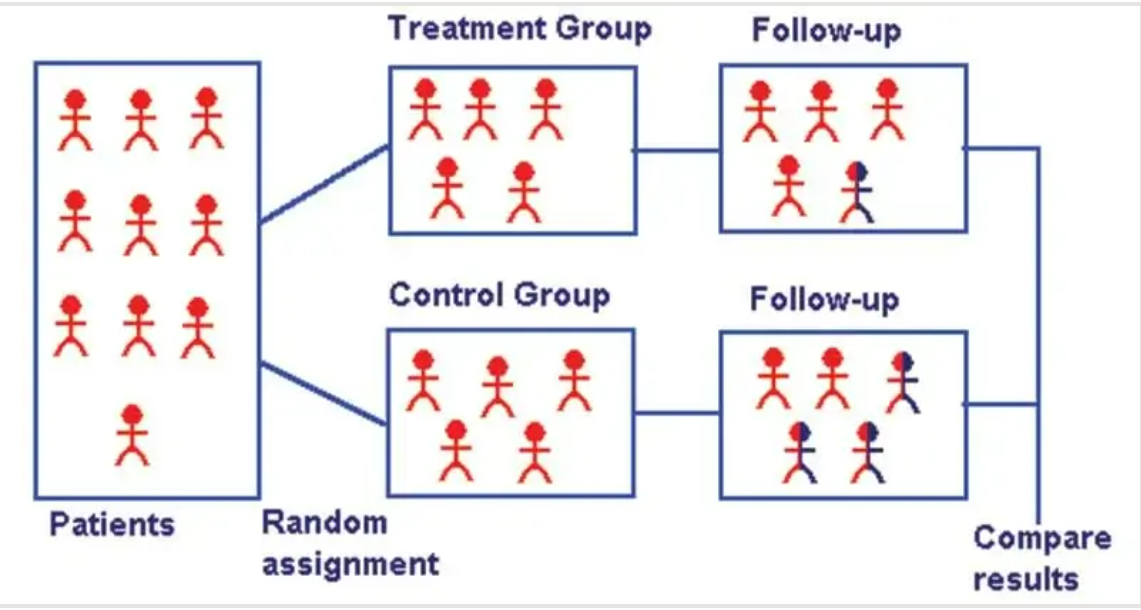
In a randomized controlled trial evaluating a new drug, simple random sampling was used to select participants from a pool of eligible patients. This method ensured that the treatment and control groups were comparable, enhancing the validity of the results.
6.2. Case Study 2: Public Health Survey
For a public health survey on smoking habits, stratified sampling was employed. The population was divided into strata based on age, gender, and geographic location. Random samples were then taken from each stratum, ensuring that the survey results were representative of the entire population.
6.3. Case Study 3: Rare Disease Research
In a study on a rare genetic disorder, snowball sampling was used to recruit participants. Initial participants were identified through patient registries and were then asked to refer others with the disorder. This approach helped in reaching a sufficient number of participants for the study.
7. Tips for Effective Sampling in Healthcare Research
7.1. Plan Ahead
Carefully plan your sampling strategy before starting your research. Consider all factors, including your research objectives, population characteristics, and practical constraints. A well-thought-out plan will help ensure the success of your study.
7.2. Use Mixed Methods
Consider using a combination of sampling methods to address different research needs. For example, you might use stratified sampling to ensure representation and convenience sampling to quickly gather preliminary data.
7.3. Validate Your Sample
Once you have selected your sample, validate it to ensure it accurately represents the population. Compare demographic characteristics of your sample to those of the population and make adjustments if necessary.
7.4. Train Your Team
Ensure that your research team is well-trained in the chosen sampling methods and understands the importance of maintaining randomness and reducing bias. Proper training can help avoid errors and improve the quality of your sample.

7.5. Document the Process
Keep detailed records of your sampling process, including how the sample was selected, any challenges encountered, and how they were addressed. This documentation will be valuable for transparency and for future research.

Conclusion
Sampling is a foundational element of healthcare research that directly impacts the validity and reliability of study findings. By understanding the different sampling methods, considering the unique characteristics of your population, and addressing practical constraints, you can select a sampling strategy that enhances the credibility and impact of your research. Proper planning, execution, and monitoring are key to successful sampling, ensuring that your research outcomes are representative and meaningful. Whether you are conducting a clinical trial, a public health survey, or exploratory research, effective sampling practices will help you draw accurate conclusions and contribute valuable insights to the field of healthcare.
